Your resource for information and education
-
North Carolina Guardianships
In North Carolina, using the legal standard by the North Carolina statute, when a court determines that an adult lacks the capacity to manage their own affairs or communicate important life decisions, a guardian is appointed. The court typically grants one of three designations: Guardian of the Person: Responsible for the ward’s daily care, medical…
-
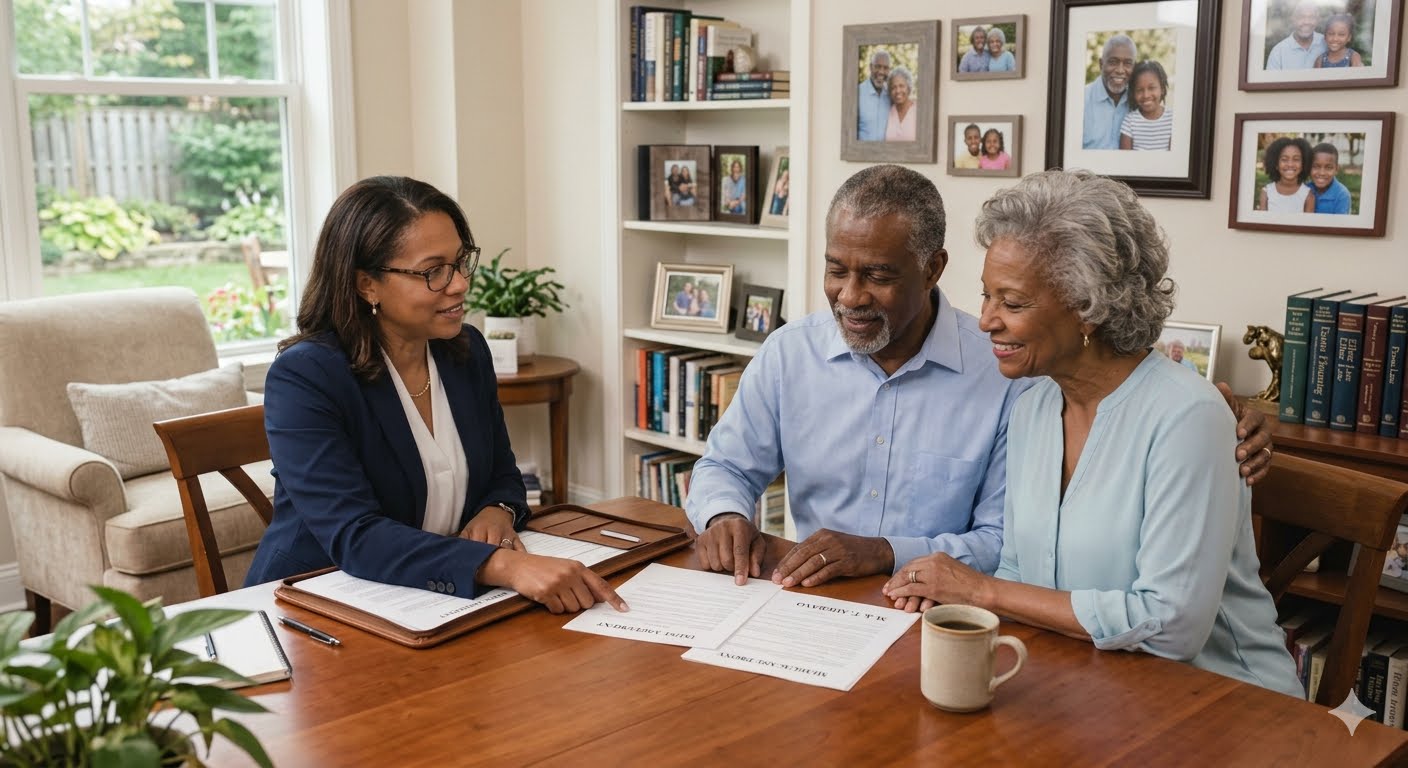
Long Term Care Planning
An elder law attorney can be a vital partner in helping you or your loved one age in place safely and independently. In North Carolina, navigating the legal and financial complexities of long-term care requires proactive planning, and a local attorney ensures your plan aligns with state-specific laws. First, they help you establish essential life…
-

Know Your Rights, Protect Your Future: Why You Need a North Carolina Elder Law Attorney
As we age, protecting our hard-earned assets and securing our independence becomes a top priority. For families across North Carolina, navigating the complexities of long-term care can feel overwhelming. With the average cost of nursing home care in North Carolina climbing past $7,000 to $10,000 per month, unexpected health changes can quickly threaten your financial…
-

Protect Your Autonomy with an Estate Plan
Protecting Your Autonomy: Why Estate Planning Is Your Best Defense Against Adult Guardianship As a North Carolina elder law and estate planning attorney, I frequently meet with families facing a painful reality. A loved one has lost the capacity to make decisions due to dementia, a stroke, or a sudden accident. Because that individual never…
-
What is Guardianship?
Do you think that your loved one could benefit from an adult guardianship/conservatorship? Let’s talk a bit about what that looks like. Types of Adult Guardianship In North Carolina, using the legal standard by the North Carolina statute, when a court determines that an adult lacks the capacity to manage their own affairs…
-
No Power of Attorney? What North Carolina Families Need to Know
If a North Carolina resident becomes incapacitated without a valid Power of Attorney (POA), their family loses immediate legal authority to manage their financial, personal, and medical affairs. In North Carolina, marriage or blood relation does not automatically grant the right to access bank accounts, pay bills, or sign legal documents on behalf of an…